
 Germany
 Perfection - from the bean to the crema

We don't make coffee - we offer an art of roasting
that makes every day unique.
 Watch our videos

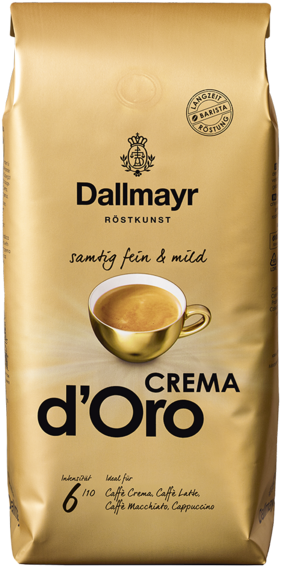
A smooth and aromatic blend for the finest coffee moments of the day! Premium-quality coffees from the world’s best coffee-growing regions are selected especially for this delightful caffè crema, and undergo a long and gentle roasting process at low temperatures. Delicious as caffè crema, caffè latte, caffè macchiato or cappuccino.
1,000 g whole beans
500 g whole beans
200 g whole beans
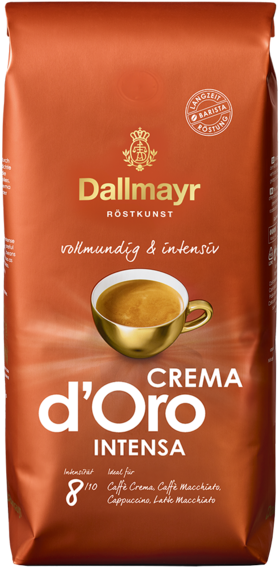
An expressive caffè crema blend with perfectly balanced levels of intensity. Outstanding coffees are carefully selected and undergo a long and gentle roasting process at low temperatures. A wonderfully aromatic coffee pleasure. Delicious as caffè crema, caffè macchiato, cappuccino or latte macchiato.
1,000 g whole beans
500 g whole beans
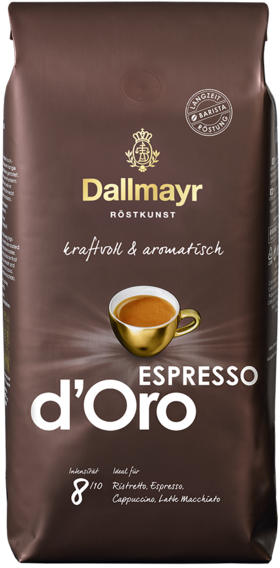
A powerful espresso that creates a lasting impression! For this speciality, high-quality coffee beans undergo a very long and gentle roasting process at low temperatures. The result is an espresso whose character transports you to Italy with every sip. Also perfect as a ristretto, cappuccino or latte macchiato.
1,000 g whole beans
500 g whole beans
200 g whole beans
250 g ground
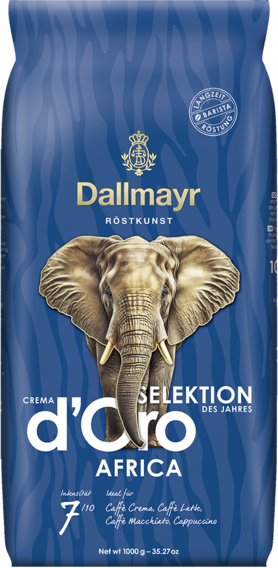
East Africa is the original home of coffee. Today, this region continues to produce the most exquisite beans the continent has to offer.
Our Selection of the Year is a blend of selected arabica and robusta coffees from Ethiopia, Kenya and Uganda. Africa from Dallmayr stands out for its aroma of dark chocolate with floral citrus notes. A hint of blackcurrant creates the perfect finishing touch to this taste experience.
1,000 g whole beans
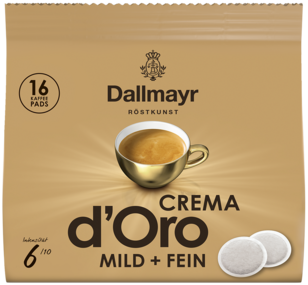
We also offer our popular coffee speciality as coffee pads with a mild & fine flavour. For Dallmayr Crema d’Oro, the finest arabica highland plants are processed and then finished off by our coffee roasting experts with a lot of attention to detail. The fine velvety crema is a result of the particularly careful, gentle roasting process. Enjoyed straight as a café crème.
112 g in 16 individual portions
196 g in 28 individual portions
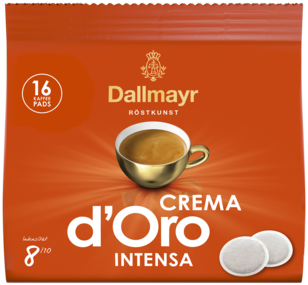
We also offer our popular coffee speciality as coffee pads with an intense and spicy flavour. For Dallmayr Crema d’Oro intensa, the finest highland plants are selected, processed and then finished off by our coffee roasting experts with a lot of attention to detail. The dense crema is a result of the particularly careful, gentle roasting process. The slight espresso note makes Dallmayr Crema d’Oro intensa perfect as a cappuccino or latte macchiato.
112 g in 16 individual portions
196 g in 28 individual portions
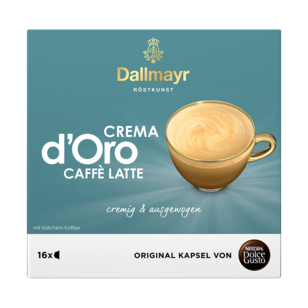
Our Dallmayr Crema d’Oro Caffè Latte is a blend of coffee varieties with a full-bodied, intense aroma that perfectly harmonises with the rich flavour of delicious whole milk, allowing its natural sweetness to unfold.
Cup after cup of unforgettable coffee pleasure – freshly prepared with your NESCAFÉ® Dolce Gusto® machine.
16 capsules of 10 g = 160 g (powdered whole milk with instant coffee)
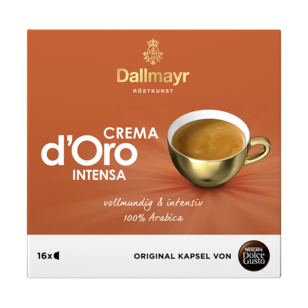
Our beloved classic Crema d’Oro with even more intensity. Through a careful roasting process, the specially selected beans unfold their full, spicy aroma in the cup. The silky crema envelops the intense flavour.
Cup after cup of unforgettable coffee pleasure – freshly prepared with your NESCAFÉ® Dolce
16 capsules of 7 g = 112 g (coffee)
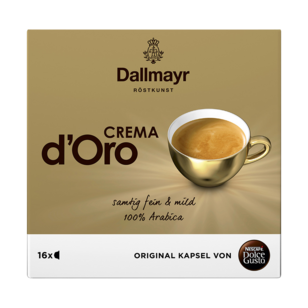
The coffee beans are carefully combined and gently roasted to yield Dallmayr Crema d‘Oro. The result is coffee with a balanced, mild aroma and a silky, light crema.
Cup after cup of unforgettable coffee pleasure – freshly prepared with your NESCAFÉ® Dolce Gusto® machine.
16 capsules of 7.5 g = 120 g (coffee)
Crema d'Oro Espresso / caffè crema
Crema d'Oro intensa Espresso / caffè crema
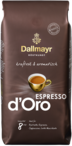
Espresso d'Oro Espresso / caffè crema
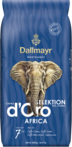
Selection 2024 Espresso / caffè crema
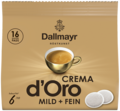
Crema d'Oro Pads
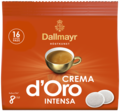
Crema d'Oro intensa Pads
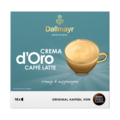
Dolce Gusto Crema d’Oro Latte Capsules
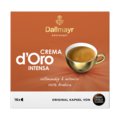
Dolce Gusto Crema d’Oro intensa Capsules
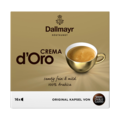
Dolce Gusto Crema d’Oro Capsules
Perfection - from the bean to the crema
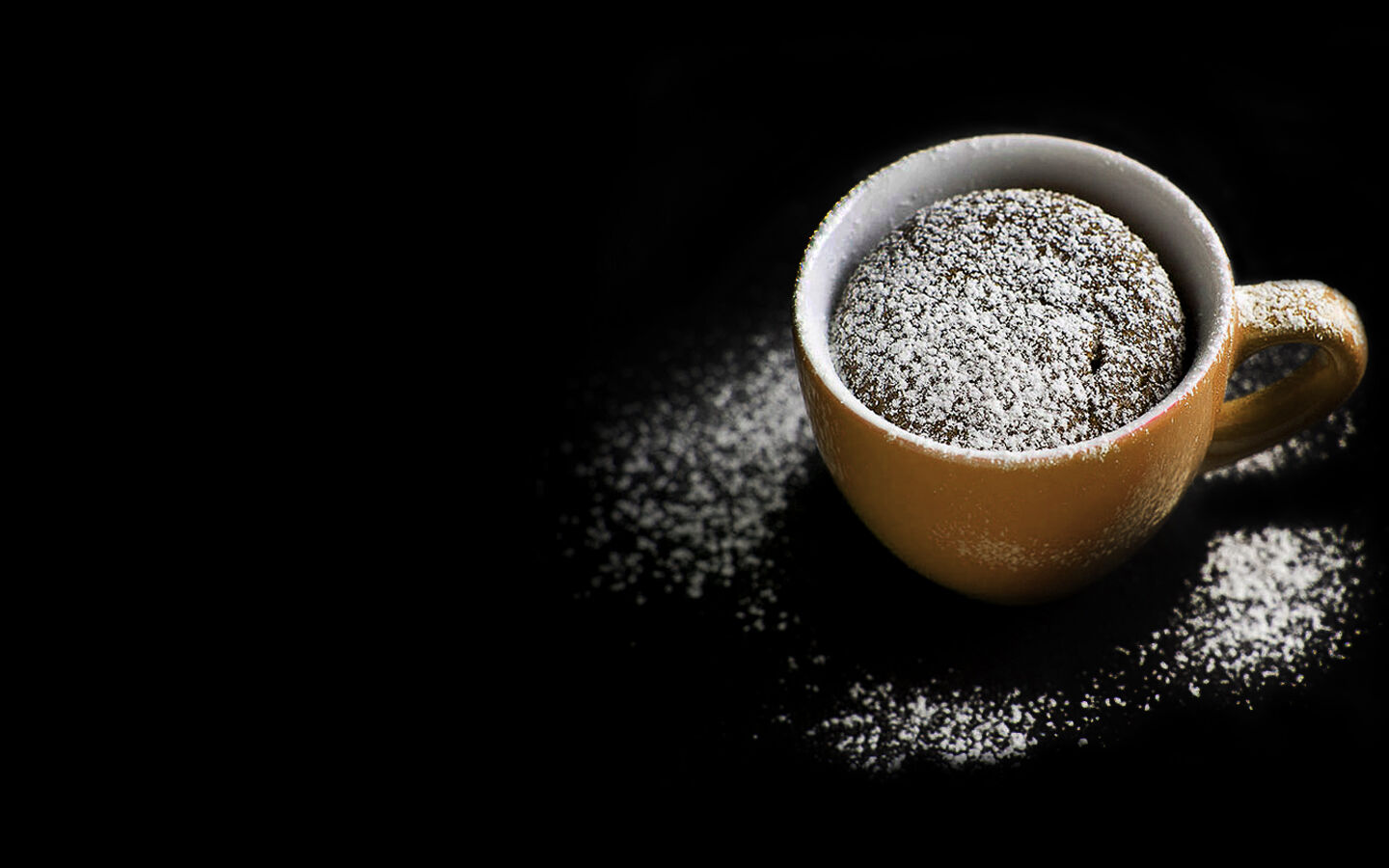
Using a piping bag, pipe the chocolate mixture into an espresso cup (about 50 g for each cup).
Bake for about 15 minutes at 175°C in a fan-assisted oven.
Tip: If you reduce the baking time by half, you’ll get a gateau moelleux with a chocolatey, creamy centre.
Enjoy the cake!



 Knowledge creates pleasure